
Fine Art
Fine art, born from European academic tradition, prioritizes aesthetics and beauty over practical function. Emerging from the Italian Renaissance, it celebrates the artist’s unfettered imagination, unlike crafts bound by utility. The creation should be a singular vision, untouched by divided labor. Historically, painting, sculpture, architecture, music, and poetry reigned supreme, with visual arts taking precedence today.
Fine art aims for aesthetic and intellectual engagement, judged on beauty and meaning. This distinguishes it from decorative or applied arts. Appreciating fine art demands refined judgment, elevating it beyond popular art and mere entertainment, inviting a deeper, more thoughtful experience.”
The term ‘fine’ in fine art speaks less to quality and more to the purity of its Western European roots. Traditionally, it excluded practical arts, valuing artistic intention above all else. Today, these rigid distinctions are largely blurred, with the artist’s concept taking precedence.
Fine art, born from European academic tradition, prioritizes aesthetics and beauty over practical function. Emerging from the Italian Renaissance, it celebrates the artist’s unfettered imagination, unlike crafts bound by utility. The creation should be a singular vision, untouched by divided labor. Historically, painting, sculpture, architecture, music, and poetry reigned supreme, with visual arts taking precedence today.
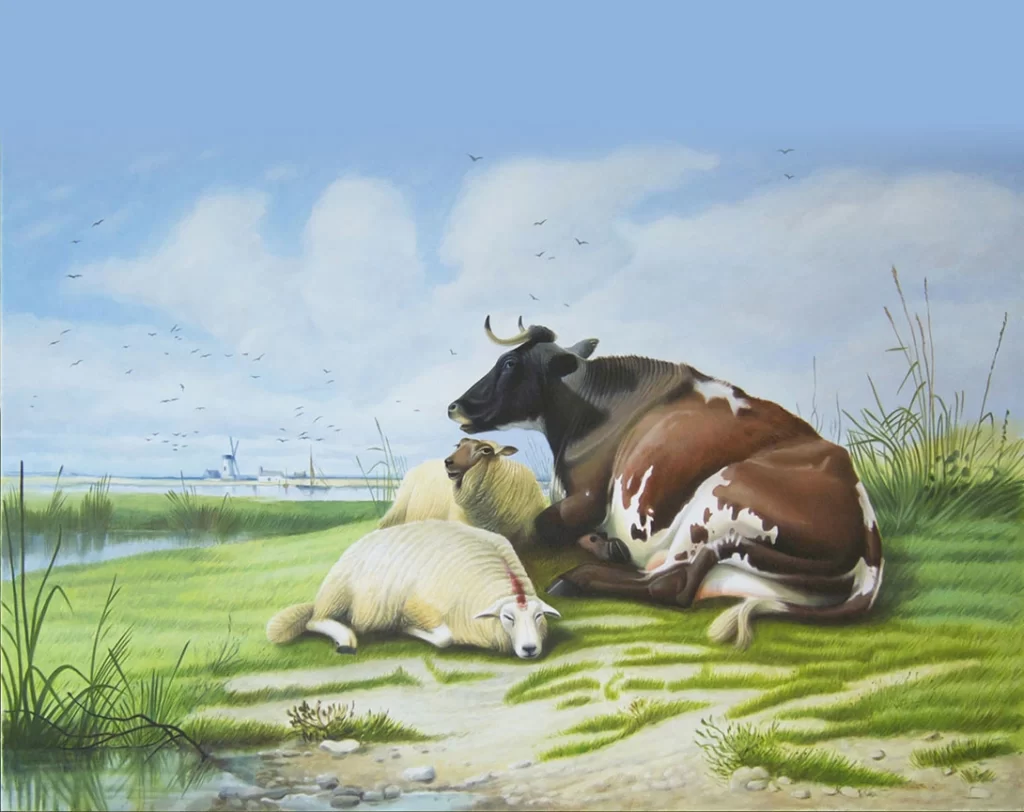
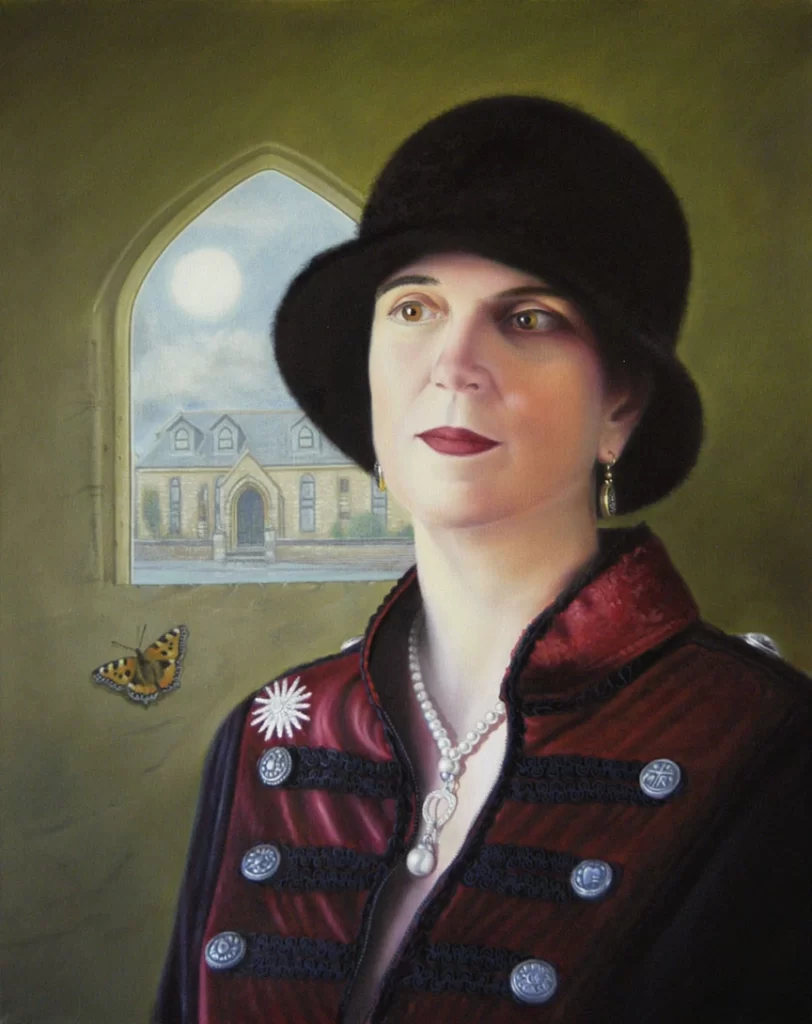
Fine art aims for aesthetic and intellectual engagement, judged on beauty and meaning. This distinguishes it from decorative or applied arts. Appreciating fine art demands refined judgment, elevating it beyond popular art and mere entertainment, inviting a deeper, more thoughtful experience.”
The term ‘fine’ in fine art speaks less to quality and more to the purity of its Western European roots. Traditionally, it excluded practical arts, valuing artistic intention above all else. Today, these rigid distinctions are largely blurred, with the artist’s concept taking precedence.